Computational LinguisticsSEO ArchitectureContent EditingNon-Native EnglishAI Detection Research
About Emily
I grew up speaking Mandarin at home and English at school, so I learned early that fluency isn't about grammar. It's about knowing which words feel right in a given moment. That insight shapes everything I do at rwrt.
My background is in computational linguistics - I spent three years at the University of Toronto studying how language models represent meaning differently than humans do. The research was fascinating but felt disconnected from real people. At rwrt, I get to apply that research to a problem people actually face every day: sounding like themselves in a world that pushes everyone toward the same bland, AI-generated sameness.
My editing style is aggressive. I cut more than I keep. Every sentence has to earn its place.
If a paragraph doesn't make the reader smarter, curious, or compelled to act, it gets deleted. I'm not mean about it. I just believe in respecting people's time.
Writing Philosophy
“Good writing is invisible. The reader should be thinking about the idea, never about the sentence. The moment they notice the writing, you've failed.”
Fun Facts
●Can read classical Chinese poetry (slowly)
●Runs a tiny newsletter about language oddities (47 subscribers)
●Once corrected a professor's grammar during a live lecture
In Emily's Words
“Growing up bilingual gave me a permanent obsession with how the same idea sounds completely different depending on the language you think in. That's basically what rwrt does, but with personal voice instead of languages.”
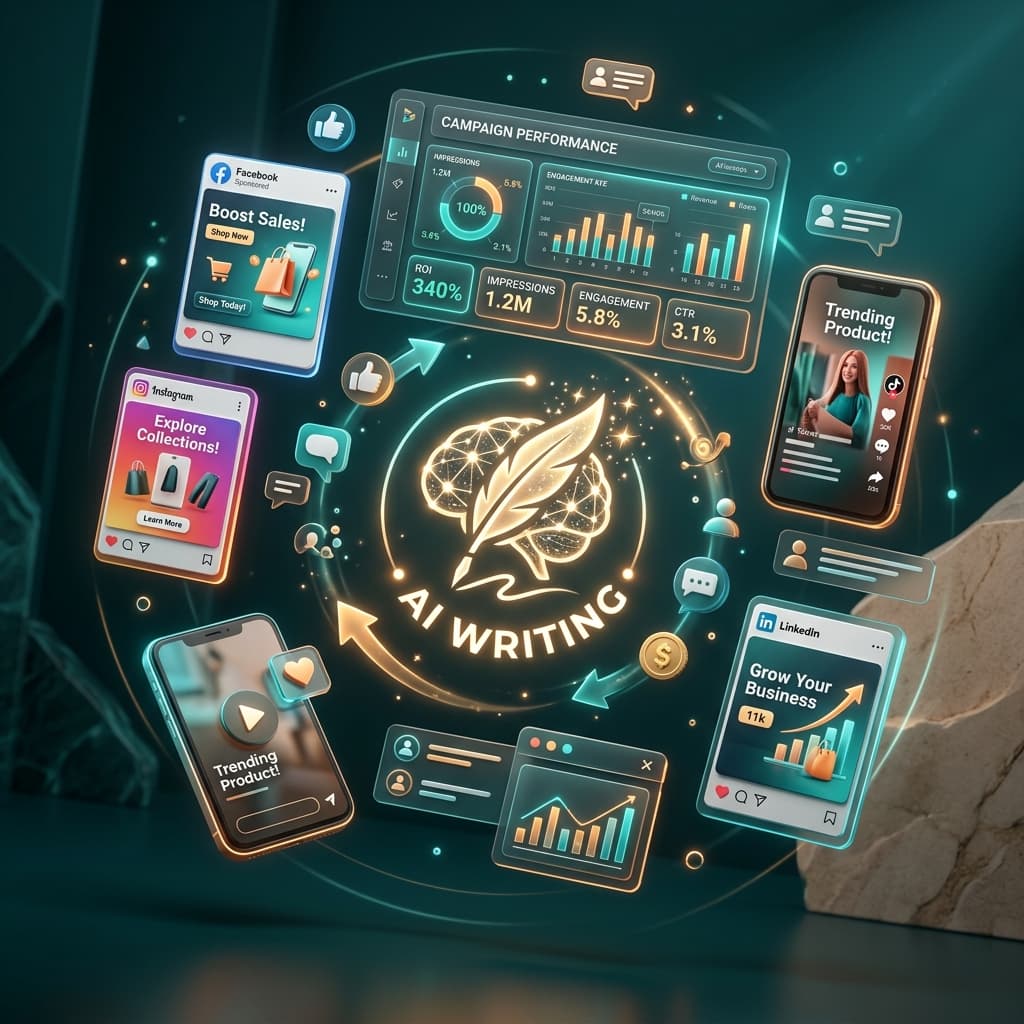
AI-generated ad copy sounds generic and wastes your ad budget. Learn how to write high-converting ad copy with AI that sounds like a real person wrote it, with platform-specific examples for Google, Meta, and LinkedIn.
How to write product descriptions using AI that convert browsers into buyers. Covers benefit-driven writing, sensory details, SEO optimization, and brand voice consistency.
Use AI to write YouTube SEO descriptions, click-worthy titles, and conversational video scripts. Covers keyword strategy, pacing, and CTR optimization.
Your first sentence determines if someone keeps reading or clicks away. Learn why boilerplate openings fail and how to write hooks that capture attention instantly.
Software engineering is splitting into two groups. One uses AI to remove drudgery and think harder. The other outsources reasoning and hollows themselves out. Here is how to stay in the first group.
Getty lost, Anthropic paid $1.5B, the US Copyright Office says AI has no rights. Here's where copyright law stands in 2026 and what it means for creators.
Learn how students can use AI writing tools ethically for brainstorming, outlining, and editing. Discover the line between collaboration and plagiarism.
Writing professional emails is draining. Learn how AI email writers can help you sound polished, confident, and natural without spending hours on every message.
AI essay writers are everywhere. Learn how to use them responsibly, avoid detection, and write essays that actually sound like you — not like a language model.
Build a sustainable AI content strategy that drives ROI. Map AI to your funnel, establish brand voice guidelines, and use rwrt to maintain authenticity.
Struggling to find the right email tone? Learn how an AI tone adjuster fixes overly formal or casual writing to match your exact professional audience.
Navigate the ethics of AI-generated content. Learn about disclosure requirements, plagiarism risks, and how to maintain authenticity with tools like rwrt.
AI writes emails, code, and essays. It still can't make you laugh. Here is why humor is the last frontier for language models and what it reveals about human creativity.
Learn how to write SEO articles that bypass AI detection and dominate search rankings. A complete step-by-step guide to humanizing your content workflow.
Unique writing voices are being erased by one global AI accent. Nobody notices because it happened slowly. Here is what is being lost and how to fight back.
AI writes every sentence at the same length. The result is text that reads like a metronome. Here is why it happens and how to inject real cadence into your writing.