Best AI Paraphrasing Tools Compared: How They Work and When to Use Them
Compare the best AI paraphrasing tools of 2026. Learn how they work, when to use them, and why basic paraphrasing triggers AI detectors.
Emily Chen
Senior SEO Editor

For years, writers, marketers, and students relied on rudimentary article spinners. These clunky programs simply swapped out words for their closest dictionary synonyms. The results were notoriously bad. Changing "a piece of cake" to "a slice of pastry" was a classic example of the nonsense these tools produced.
The landscape has radically changed. Today, driven by massive advancements in Natural Language Processing and Large Language Models, AI paraphrasing tools do not just swap words. They understand the underlying context, tone, and intent of a sentence. They can restructure entire paragraphs, simplify complex academic jargon into conversational prose, and help writers overcome the dreaded blank-page syndrome.
But with so many tools flooding the market, how do you choose the right one? More importantly, how do you use them without sacrificing your authentic voice or triggering algorithmic content detectors?
This guide compares the best AI paraphrasing tools and explains the technology behind them. You will learn exactly when and how to use them effectively.
Table of Contents
In this article
How Modern AI Paraphrasing Tools Actually Work

To appreciate the current generation of paraphrasing tools, it helps to understand what is happening under the hood. The technology has evolved dramatically from its early days.
Older tools operated on a rigid rule-based system relying on a built-in thesaurus. They treated sentences as isolated strings of words, entirely blind to the broader context of the paragraph.
Modern AI paraphrasers, however, are built on transformer architectures. This is the same underlying technology powering ChatGPT. When you paste a sentence into a modern tool, it does not look for synonyms. Instead, it encodes the entire sequence of words to capture the core semantic meaning. It then generates entirely new sentences from scratch that represent that same idea but use different syntax, structure, and vocabulary.
Because these models are trained on vast datasets of human writing, they understand idioms, grammatical nuances, and stylistic conventions. They can rewrite a formal email into a casual text message. They can condense a sprawling wordy paragraph into a punchy single sentence. All of this happens while preserving the original intent.
Top AI Paraphrasing Tools on the Market
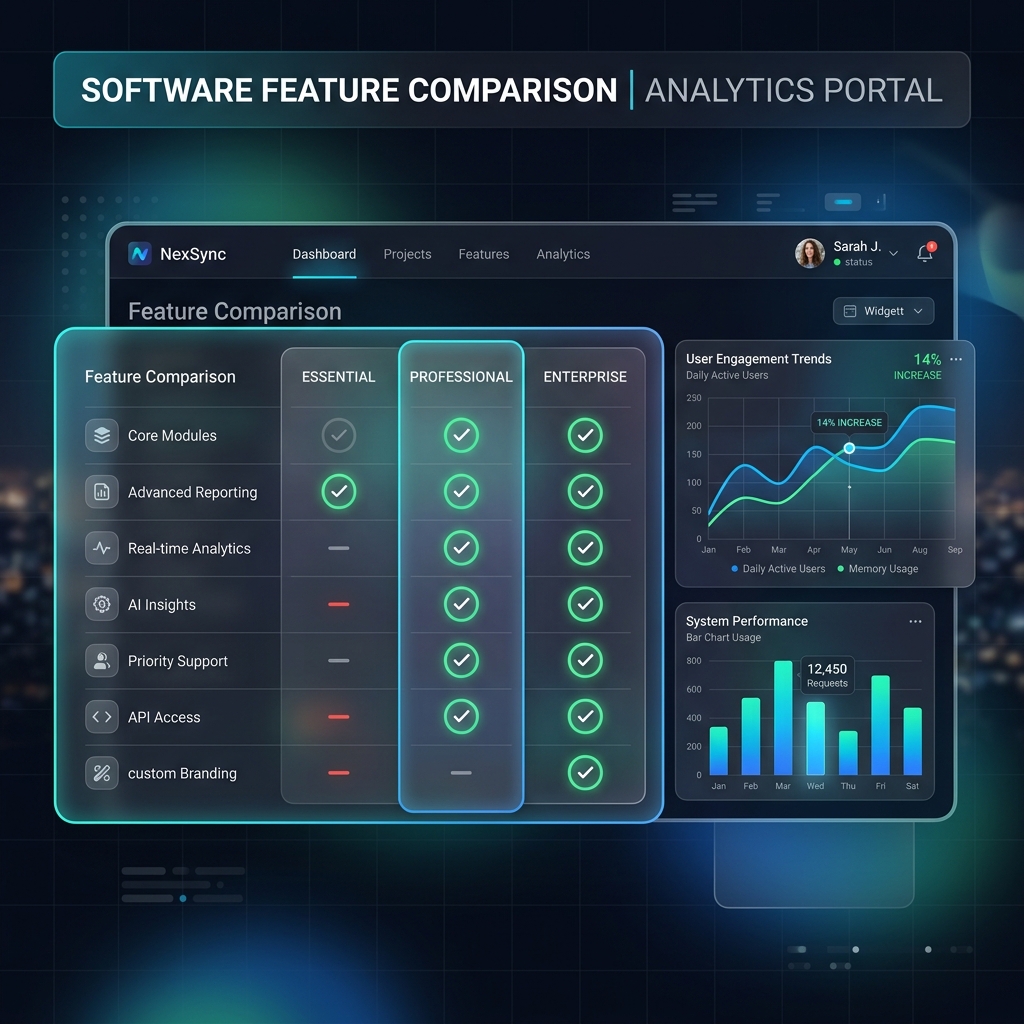
The current market offers a variety of tools, each tailored to slightly different use cases. Here is a look at some of the most prominent players.
| Tool | Best For | Key Strength | Main Weakness |
|---|---|---|---|
| QuillBot | Students & Academics | Multiple rewriting modes | Output flagged by AI detectors |
| Wordtune | Micro-editing | Sentence-by-sentence control | Tedious for long documents |
| Grammarly | Professional polish | Context-aware suggestions | Cannot rewrite from scratch |
| Smodin | Multilingual rewriting | Cross-language translation | Overly formal tone |
| Hemingway | Clarity editing | Readability scoring | No AI detection protection |
| rwrt | Humanization | 98 percent undetectable output | iOS only |
QuillBot
QuillBot is arguably the most well-known dedicated paraphrasing tool. It offers multiple modes, allowing users to choose whether they want their text to sound more standard, fluent, formal, or creative. It is highly favored by students and academics for its ability to quickly iterate on sentence structure.
The tool integrates directly into web browsers and word processors. This makes it convenient for quick edits during research sessions. However, its output frequently fails modern AI detection scanners.
Wordtune
Wordtune focuses heavily on sentence-by-sentence rewriting. Unlike tools that rewrite entire blocks of text at once, Wordtune shines as an interactive co-writer. You highlight a specific sentence, and it provides a dropdown list of alternative ways to phrase it. Some options are longer, some are shorter, and some are more casual.
It is excellent for micro-editing and finding the exact right words when you are stuck. The downside is that it becomes incredibly tedious for long-form content. Rewriting a 2,000-word blog post sentence by sentence takes hours.
Grammarly (Premium)
While primarily known as a grammar and spell checker, Grammarly's premium version includes robust full-sentence rewrite suggestions. It focuses on clarity and conciseness, often identifying overly wordy or passive sentences and offering direct active-voice alternatives.
It is best for professionals looking to tighten up their daily communication without radically altering their core text. However, accepting every automated suggestion can actually trigger AI detectors by removing natural variation from your writing.
The Problem with Traditional AI Paraphrasers
While tools like QuillBot and Wordtune are massive upgrades over old article spinners, they share a common growing flaw. Their output often sounds distinctly like an AI wrote it.
Because these tools are powered by LLMs trained to optimize for standard highly predictable sentence structures, their output tends to suffer from low burstiness and low perplexity. The resulting text is often grammatically perfect but stylistically sterile. It lacks the natural ebb and flow, the slightly unpredictable vocabulary choices, and the varied sentence lengths that characterize genuine human writing.
This leads to a significant secondary problem. Text rewritten by standard AI paraphrasers is incredibly susceptible to being flagged by AI content detectors. For content marketers worried about search engine penalties, or students concerned about academic scrutiny, using a standard paraphrasing tool can inadvertently make their original ideas look like machine-generated spam.
The Next Generation: Humanizing Text with rwrt
As the limitations of standard AI paraphrasing become clearer, a new category of tools has emerged. These tools focus not just on rewriting, but on humanizing.
If you have a draft, whether written entirely by you or generated with the help of an AI like ChatGPT, rwrt analyzes the text and restructures it. It introduces natural variation by adjusting the cadence, utilizing more authentic vocabulary, and creating vital variations in sentence length. These are the hallmarks that human readers implicitly expect.
The result is a highly polished piece of content that reads fluidly and retains your original meaning. Crucially, it bypasses overly aggressive AI content detectors by restoring the statistical hallmarks of human authorship. It is the ideal solution for writers who need the structural assistance of an AI but require the warmth, credibility, and undetectability of human prose.
When to Use an AI Paraphrasing Tool
To get the most out of these tools, they should be integrated thoughtfully into your writing process. They are not a crutch to avoid doing the work. Here are the most effective use cases.
Breaking Through Writer's Block and Editing Drafts
Often, you know exactly what you want to say, but the words come out clunky and awkward on the first draft. Instead of agonizing over a single paragraph for thirty minutes, paste it into an AI tool. Seeing three or four different structural variations of your own idea can instantly unblock you. It helps you find the phrasing that clicks.
Simplifying Complex Jargon
If you are an expert in your field, it is easy to suffer from the curse of knowledge. You write in dense technical jargon that alienates your audience. You can use an AI tool, specifically instructing it to adopt a simpler tone, to translate your high-level concepts into accessible engaging content for a broader audience.
Repurposing Content Across Platforms
Content creators often need to stretch a single idea across multiple platforms. A formal 2,000-word blog post cannot be copy-pasted onto LinkedIn or Twitter. AI paraphrasing tools are incredibly useful for distilling large blocks of text into bite-sized platform-specific content. They adjust the tone from formal to conversational in seconds.
How to Choose the Right Tool for Your Needs
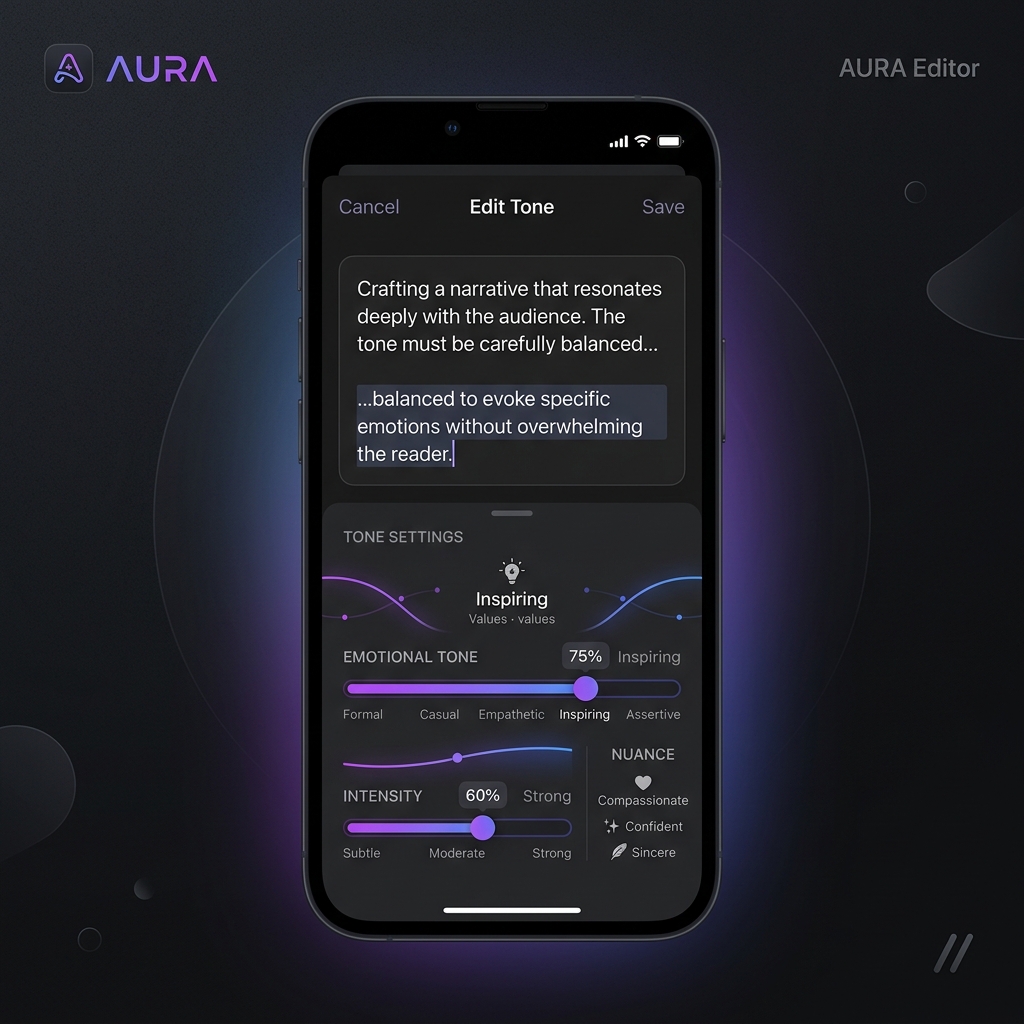
Selecting the perfect tool depends entirely on your specific workflow and the stakes involved. Here is how to choose the right option for your needs.
| Your Role | Best Tool | Why |
|---|---|---|
| Student | rwrt | Bypasses Turnitin while preserving your voice |
| Corporate Professional | rwrt or Grammarly | rwrt for voice, Grammarly for basic polish |
| Freelance Writer | rwrt | Bypasses Originality.AI for publisher submissions |
| Non-Native Speaker | rwrt | Native Speaker persona adds natural idioms |
| Content Repurposer | Wordtune or rwrt | Wordtune for micro-edits, rwrt for full docs |
Students facing Turnitin need a tool that specifically alters the mathematical footprint of their essays. rwrt's Personal Persona technology ensures papers retain an academic tone while completely bypassing detection algorithms.
Corporate professionals need their emails and reports to sound authentic. Grammarly works well for basic polishing. If you need to rapidly humanize AI-drafted reports while maintaining your personal voice, rwrt is the superior choice.
Freelance content writers face aggressive tools like Originality.AI. Basic paraphrasing will get your work rejected. You need a dedicated humanizer.
Non-native speakers face the highest false positive rates from detection tools. You need software that injects natural idioms, conversational rhythm, and colloquial phrasing into your translations. rwrt's Native Speaker persona is specifically designed for this purpose.