I spent the first decade of my career ghostwriting for SaaS founders who wanted to sound smart on LinkedIn. The irony of that job is that it taught me how much voice matters. You can have the best product in the world, but if your content sounds like it was written by committee, nobody cares.
I joined rwrt because I was tired of watching AI tools flatten everyone into the same generic voice. I wanted to work on something that did the opposite - something that amplified the weird, specific, human parts of how people communicate. Before content strategy, I was a barista in Eugene, a failed poet, and a surprisingly good competitive Scrabble player.
I still play Scrabble. I still write bad poetry. Both of these things inform my work more than any marketing framework ever has.
Writing Philosophy
“Write like you're explaining something to a smart friend who's slightly skeptical. If a sentence doesn't pass the 'would I actually say this out loud?' test, cut it.”
Fun Facts
●Ranked top 200 in competitive Scrabble (NASPA division)
●Drinks an alarming amount of oat milk lattes
●Has a collection of over 300 vintage postcards
In Sarah's Words
“I believe the best content sounds like someone talking to you over coffee, not lecturing from a stage. If I read a sentence and it sounds like a robot wrote it, I delete the whole paragraph and start over.”
Grant writing is tedious, repetitive, and unforgiving. AI writing tools can handle 80 percent of the heavy lifting while you focus on the strategy and unique impact data that wins funding.
How to preserve your unique writing voice when using AI tools. Covers voice profiling, sample feeding, persona setup, and style preservation techniques.
How on-device AI models affect battery life, processing speed, and offline writing capability on iOS. Covers model sizes, cloud vs local trade-offs, and optimization tips.
How AI writing tools help writers with dyslexia, motor impairments, visual disabilities, and ADHD. Covers dictation, keyboard alternatives, and focus tools.
Learn the seven linguistic patterns that reveal AI-written text, from the rule of three to emotional flatness, and train your eye to spot them without any detection tool.
Seven manual editing techniques to transform generic AI output into writing that sounds authentically human, with real before-and-after examples you can apply in five minutes.
Master AI writing templates for cold emails, blog outlines, marketing copy, and executive reports. Get proven prompt structures that save hours every week.
Learn how developers use AI writing tools to produce clearer documentation, faster release notes, and better technical communication. See how rwrt humanizes technical AI drafts.
Discover how doctors and nurses use AI writing tools to streamline documentation, personalize patient education, and maintain empathetic communication. See how rwrt helps.
74 percent of new web pages contain AI content. Organic traffic is collapsing. Here is what happens when machines write everything and human blogs become worthless.
When you ask an AI to "rewrite my text", preserving your unique tone is essential. Learn how identity-first AI maintains your style while improving your prose.
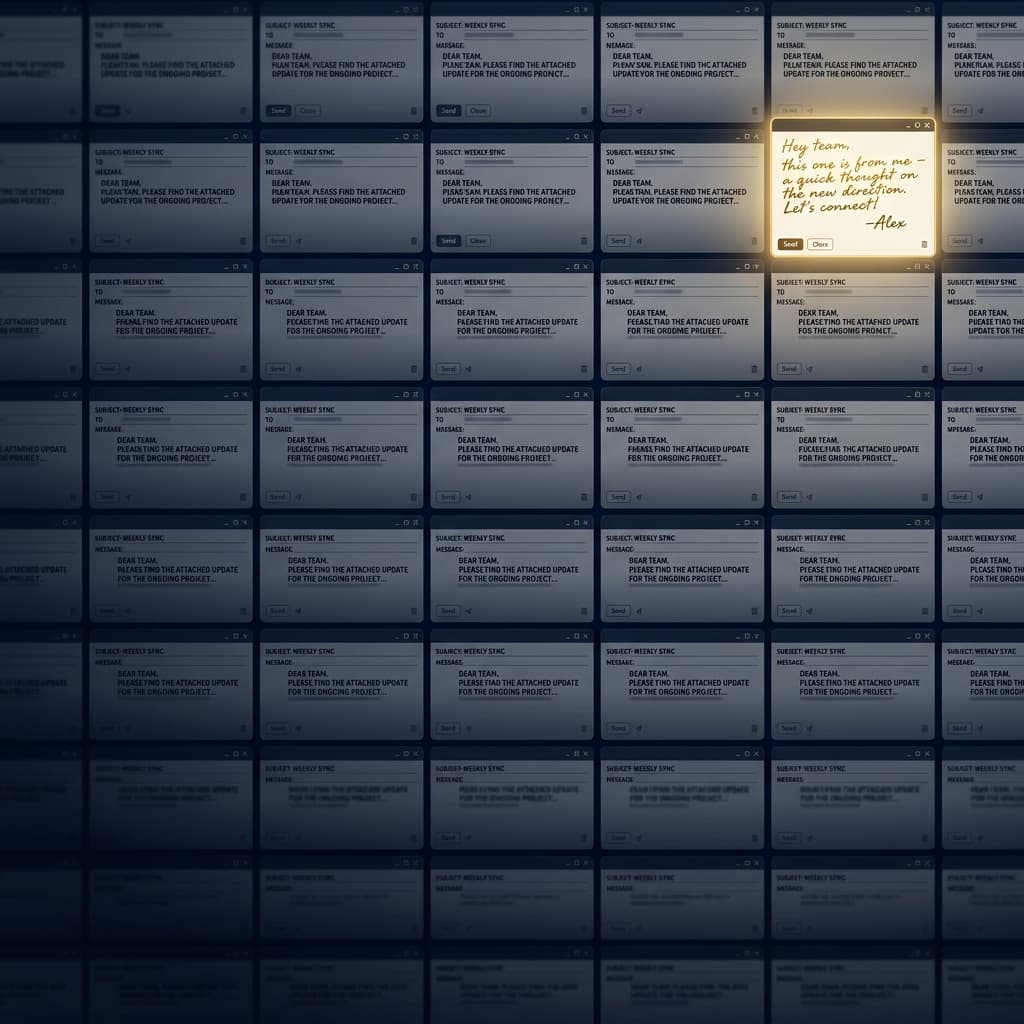
Your emails, posts, and articles sound like press releases. AI homogenized your voice. Here is why it happens and how to break free from the corporate tone.
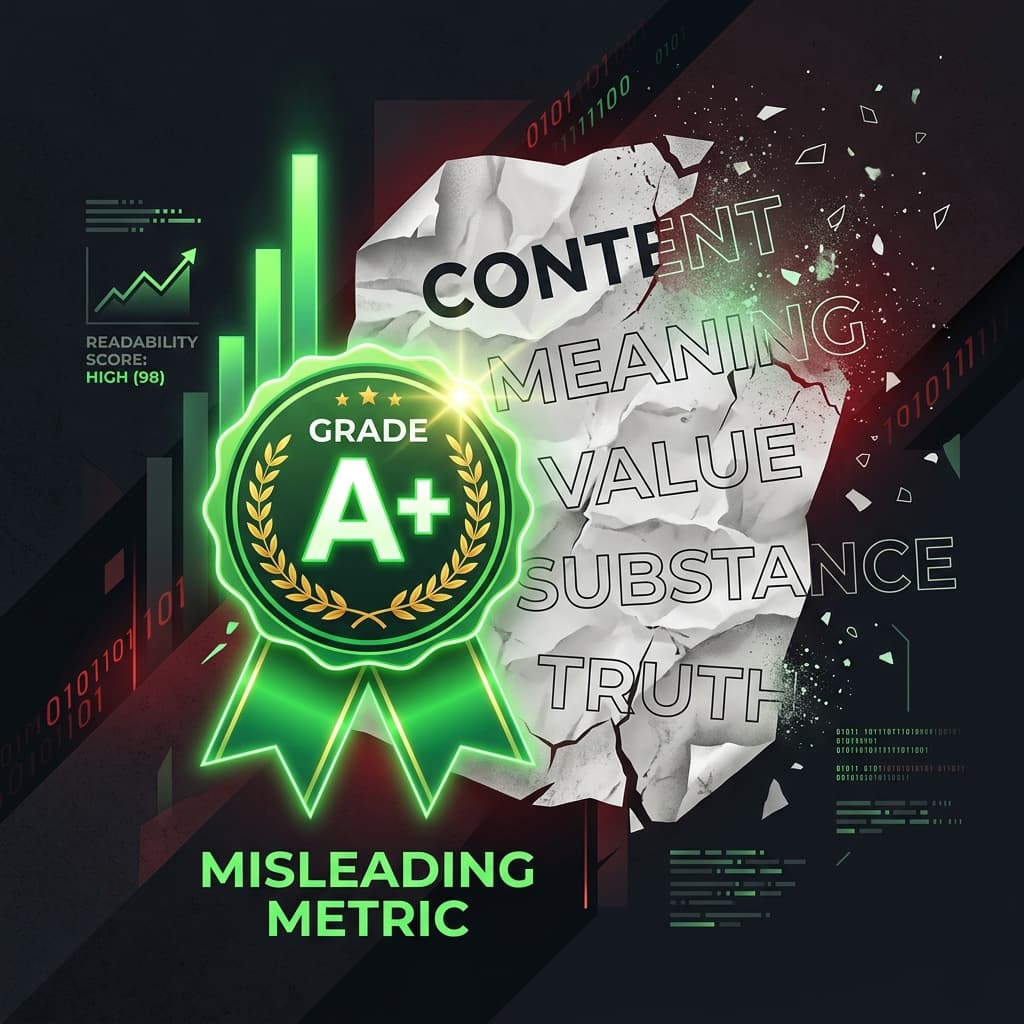
Flesch Reading Ease rewards short words and short sentences. AI optimizes for exactly that. The score measures simplicity, not clarity. Here is why readability metrics are misleading.
Certain words exploded in usage after LLMs arrived. The word 'delves' surged 25x in scientific papers. Here is why AI loves these words and how to spot them instantly.