I came to writing sideways. I started as a backend developer in London, building APIs and debugging database queries. I was decent at it, but I kept getting pulled into writing documentation because nobody else wanted to, and I was apparently the only engineer who could explain things without making people's eyes glaze over.
After five years of coding, I made the switch to full-time technical writing. Best career decision I ever made. I moved to Berlin for a startup that eventually folded, then freelanced for two years writing about AI and developer tools.
That's how I found rwrt. What drew me in was the technical challenge: how do you build a system that preserves something as subjective and messy as personal voice? It's a harder problem than most people realize, and writing about it never gets boring. Outside of work, I build mechanical keyboards (yes, it's a whole thing), coach a youth football team on weekends, and have a borderline unhealthy relationship with dark roast coffee.
Writing Philosophy
“Technical writing is a translation job. You're taking something complex and making it accessible without losing accuracy. If a reader has to Google a term you used, you didn't do your job.”
●Coaches U-12 football in Kreuzberg every Saturday
●Can explain transformer architecture using only food metaphors
In Marcus's Words
“I write like an engineer: clear, structured, no fluff. But I've learned that 'clear' doesn't have to mean 'cold.' The best technical content has personality. You can explain perplexity scoring without putting people to sleep.”
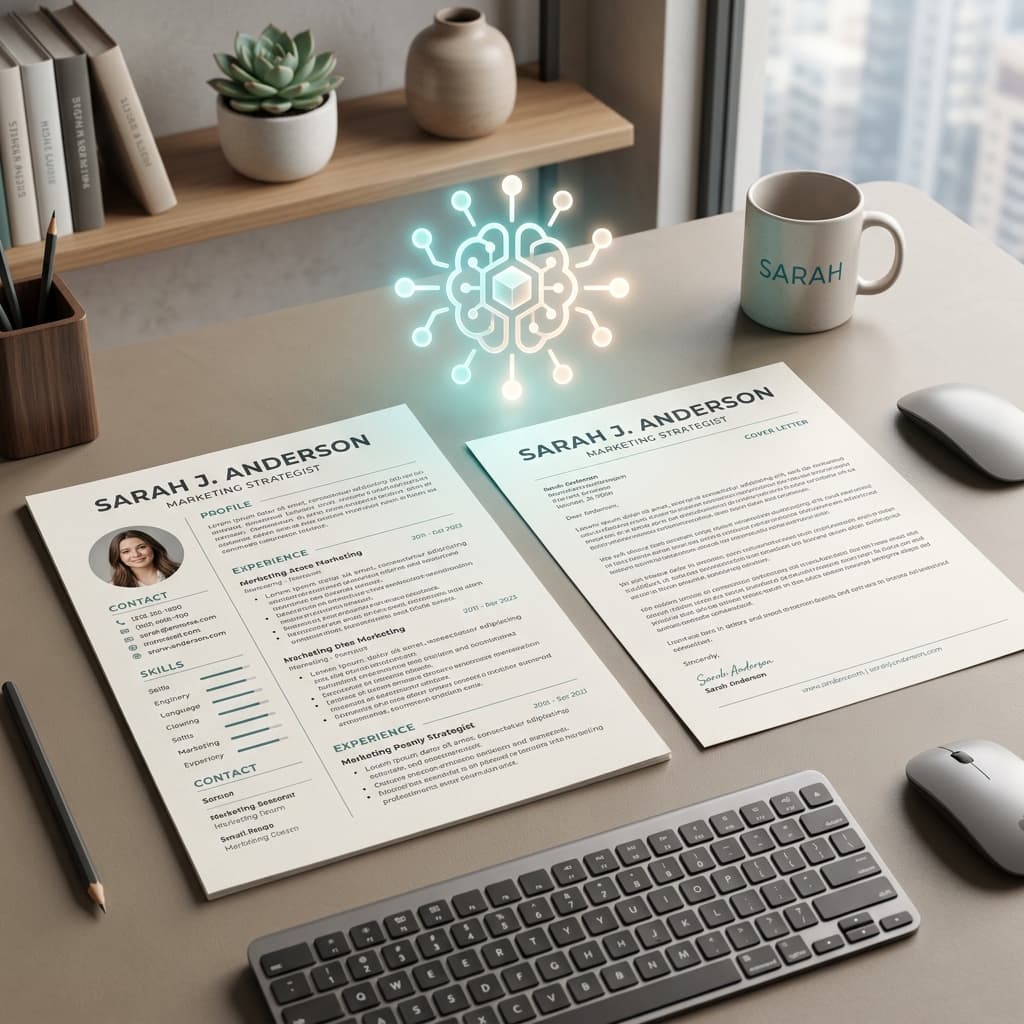
Stop pasting generic AI cover letters into job applications. Learn how to use AI writing tools to craft personalized, compelling cover letters that pass ATS filters and sound authentically yours.
How real estate agents use AI to write listing descriptions, client emails, and social media posts that actually sell homes. Covers tone, compliance, and workflows.
Learn how to write WhatsApp messages that sound like you using AI. Covers casual tone, emoji usage, group chats, and rwrt's built-in WhatsApp integration.
Can AI writing tools convey genuine empathy? Explores how AI handles condolences, apologies, and emotional communication, and where human judgment is still essential.
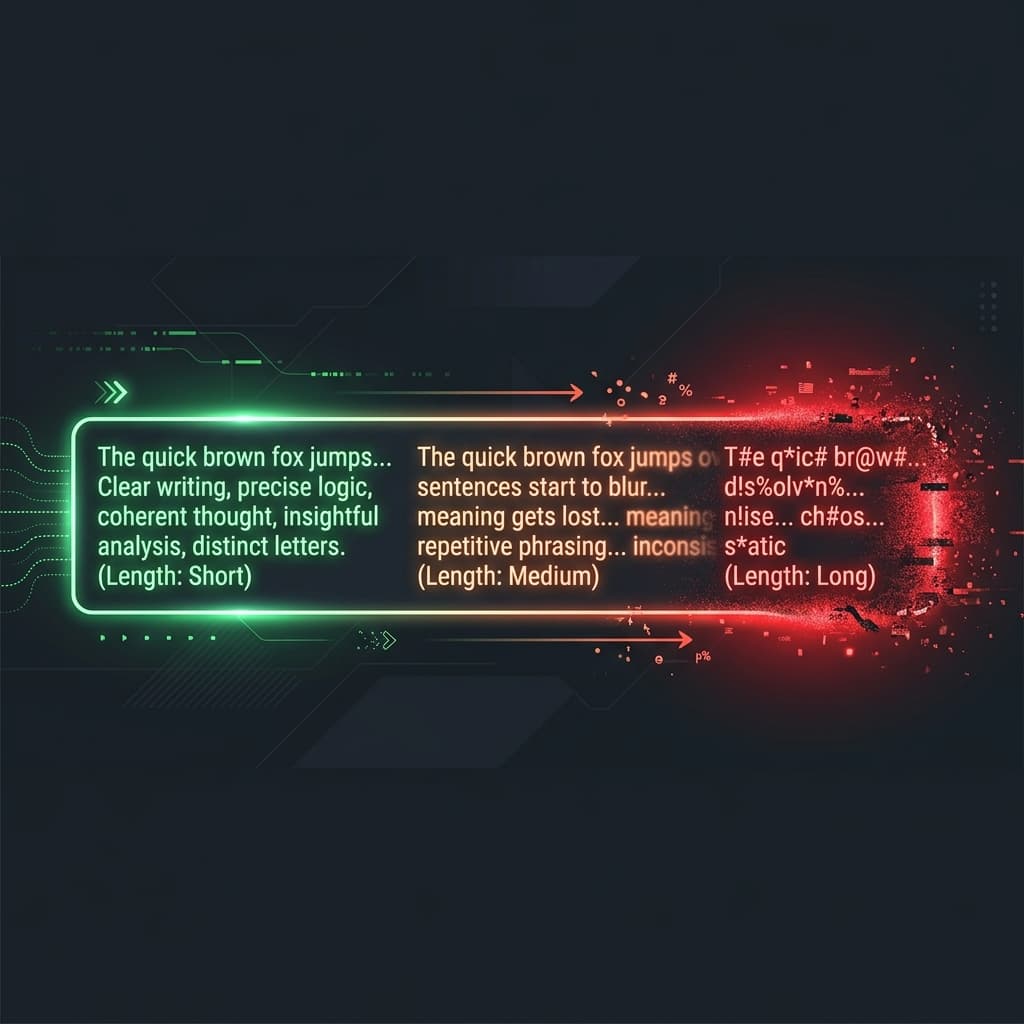
Learn how sentence length variation creates rhythm and readability that bypasses AI detectors. Master the art of pacing to make your writing sound human.
Smart people write poorly because complexity signals intelligence. Learn why writing simply is a superpower and practical techniques to simplify without dumbing down.
Looking for an AI writing tool free of charge? Discover the best free options for 2026, their hidden limitations, and how to protect your digital voice.
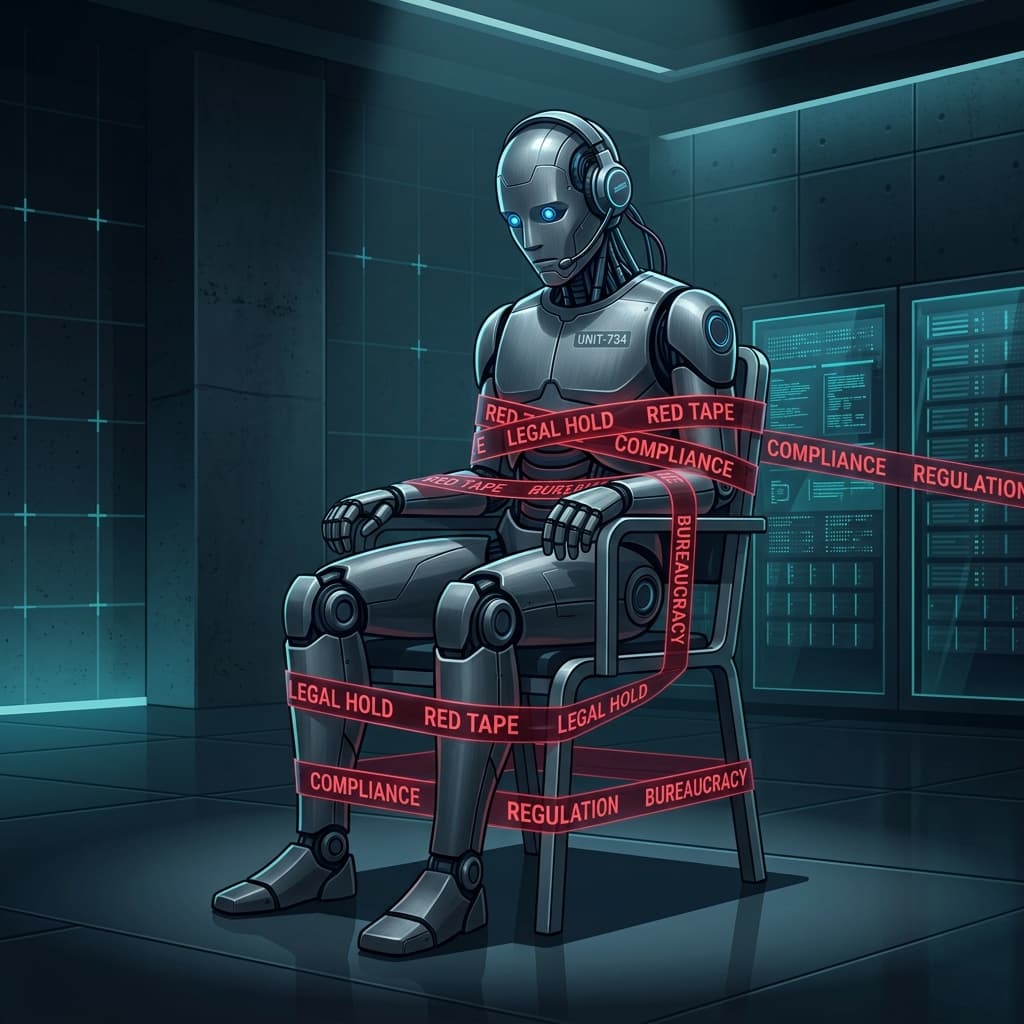
Your AI chatbot sounds robotic by design. Companies optimize for liability and cost savings, not experience. Here is the real economics behind bad customer service bots.
Stop posting generic robotic content. Learn how to use an AI post writer to scale your social media presence while maintaining your authentic human voice.
Step-by-step tips for building an AI writing workflow that saves time and produces authentic content. Includes prompting strategies and the rwrt humanization step.
Learn how nonprofits and charities can use AI writing tools to scale donor communications, streamline grant proposals, and maintain authentic storytelling. See how rwrt helps.
Discover how AI-powered grammar and style checkers outperform traditional tools like Grammarly and ProWritingAid. Learn why rwrt scores 98 percent or higher as human.
An honest comparison of AI and human writing quality across grammar, creativity, empathy, and originality. Discover how rwrt bridges the gap with 98 percent or higher human scores.
AI-powered algorithms on TikTok, YouTube, and LinkedIn are designed to maximize engagement, not value. Here is how they rewire your brain and what you can do about it.
Learn how to make AI writing undetectable using proven techniques that target the root cause — entropy gaps — not surface tricks. Tools, methods, and real examples.
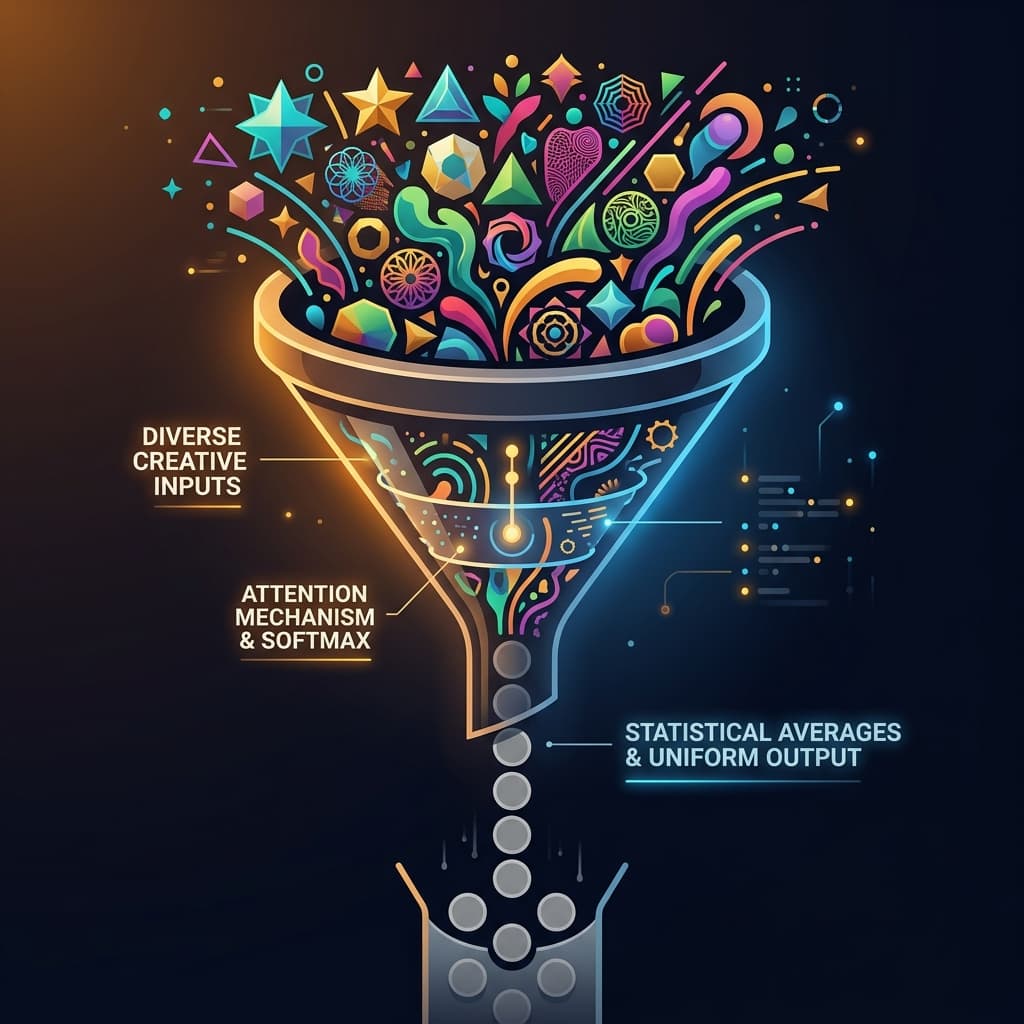
Attention mechanisms do not just power AI. They explain why AI writing is so bland. Softmax, greedy decoding, and semantic ablation turn unique ideas into generic prose.